
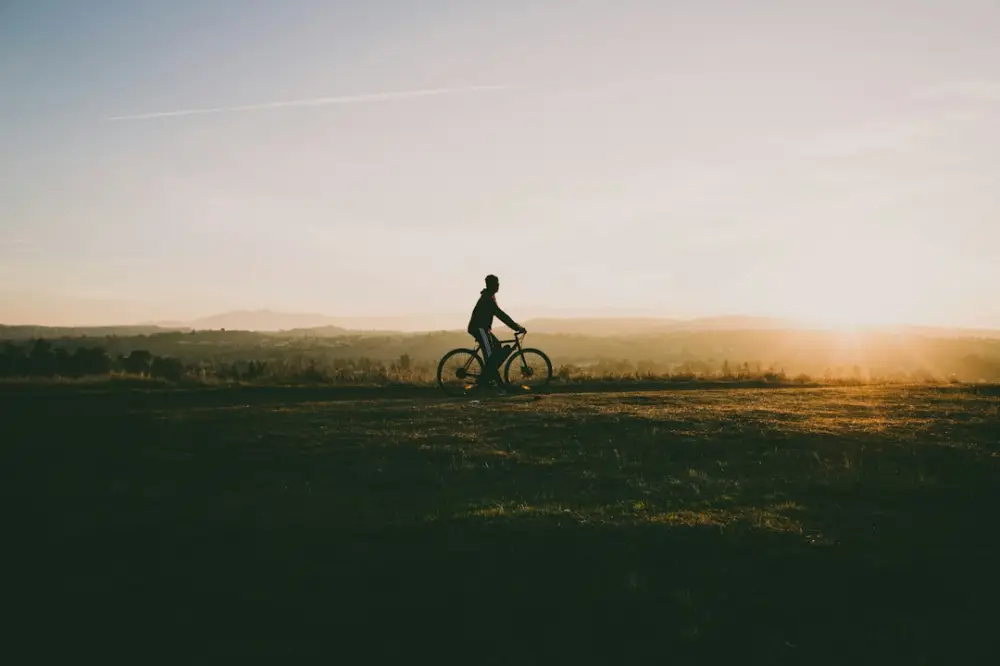
Everyday joy and confidence on a bicycle is the state of feeling physically secure, mentally relaxed, and emotionally satisfied while riding. It occurs when a cyclist masters basic handling, understands their environment, and uses a machine designed for comfort rather than speed, transforming a basic trip into a predictable, pleasant, and empowering part of a daily routine.
This confidence isn't born from expensive gear or athletic prowess, but from intentional choices. Selecting a bicycle with upright geometry, learning to read traffic patterns, and choosing routes that prioritize quiet streets over busy thoroughfares creates a low-stress environment. When the mechanical and environmental hurdles are lowered, the simple act of pedaling becomes a source of genuine daily satisfaction.
Confidence on a bike is often mistaken for bravery, but in a well-designed urban environment, it should feel like second nature. It is the ability to signal a turn without wobbling, to come to a smooth stop at a red light, and to feel that the bicycle is a reliable partner rather than a temperamental tool. For example, a rider using a step-through frame with wide tires feels a sense of stability when navigating cobblestones or hopping off the saddle at a crosswalk. This physical ease translates into mental space, allowing the rider to notice the architecture of their city or the changing colors of the trees rather than hyper-focusing on survival.
Joy, in this context, is the byproduct of that confidence. It is the "wind-in-hair" sensation that persists even when you are just heading to the grocery store. It manifests when your equipment works silently and your route is intuitive. Consider the difference between a high-strung racing bike that requires constant attention and a sturdy city bike with a front rack; the latter invites a relaxed pace, encouraging the rider to stop for a coffee or wave to a neighbor, turning a mundane errand into a moment of connection.
Why Intentional Cycling Matters
Cultivating a sense of ease on two wheels shifts the bicycle from a piece of exercise equipment to a primary mode of existence. When we view the bicycle as a tool for living, we reclaim time that is usually lost to the frustrations of traffic or the isolation of a car. Because riding a bike is a lifestyle, the benefits extend far beyond the physical movement. It offers a unique vantage point on the world, moving at a human speed that allows for spontaneous interaction and a deeper understanding of local geography.
From a psychological perspective, the confidence gained on a bike often spills over into other areas of life. There is a profound sense of agency in knowing you can transport yourself across a city using nothing but your own energy and a well-maintained machine. For instance, a person who successfully navigates a complex multi-lane intersection for the first time using proper lane positioning and clear hand signals often feels a surge of self-efficacy. This isn't about adrenaline; it’s about the quiet satisfaction of competence.
Furthermore, the environmental and social impacts are significant. A confident rider is more likely to use their bike for more trips, reducing their carbon footprint and contributing to a quieter, safer streetscape. In cities like Copenhagen or Utrecht, the high volume of confident, relaxed cyclists creates a "safety in numbers" effect, where drivers are more aware and infrastructure is more respected. By focusing on your own joy and confidence, you become a visible part of a movement toward more human-centered urban design.
How Building Confidence Works
Developing confidence is a gradual process that involves three main pillars: mechanical familiarity, skill development, and environmental awareness. It begins with the machine itself. A rider who understands how their brakes feel and how their gears click into place will naturally feel more in control. Simple maintenance, like keeping tires inflated to the correct pressure, can drastically improve the handling of a bike, making it feel more responsive and less sluggish.
Skill development happens through repetition and specific practice. One effective scenario is practicing "the lifesaver look"—the quick over-the-shoulder glance—in a vacant parking lot before attempting it in traffic. This ensures you can check for vehicles without veering off your line. Another key skill is emergency braking: learning how to shift your weight back and apply both brakes evenly so you can stop quickly without skidding. These technical foundations remove the fear of the unknown, replacing it with a toolkit of responses for various situations.
Environmental awareness involves learning to read the road. This means understanding "door zones" (the space next to parked cars where a door might suddenly open) and choosing to ride a meter or so further out into the lane for safety. It also means recognizing that the daily commute is actually becoming a masterclass in urban navigation. By experimenting with different routes—perhaps choosing a longer path through a residential neighborhood instead of a direct but noisy arterial road—you learn that the shortest distance isn't always the most enjoyable or the safest.
Common Misconceptions About Everyday Biking
A prevalent myth is that cycling requires specialized, athletic clothing. This misconception creates a barrier for people who feel they don't fit the "cyclist" mold. In reality, everyday cycling is best done in the clothes you intend to wear at your destination. Design features like chain guards, fenders, and coat guards on a bicycle are specifically intended to protect regular clothing from grease and road spray. You don't need a jersey to go to the library; you just need a bike that respects your wardrobe.
Another common misunderstanding is that cycling is inherently an elite or high-cost activity. While high-end carbon frames dominate the marketing, the most reliable everyday bikes are often made of steel or aluminum and prioritize durability over weight. A second-hand 1990s mountain bike converted with slick tires and swept-back handlebars can provide more joy and utility than a modern racing rig for a fraction of the cost. The value is found in the utility, not the price tag.
There is also the idea that you must be "fearless" to ride in a city. This is a dangerous sentiment because it suggests that the burden of safety lies solely on the rider's courage. Confidence is not the absence of fear, but the presence of knowledge. Understanding right-of-way rules and using high-quality lights (like dynamo-powered systems that never run out of battery) are practical ways to mitigate risk. Organizations like the National Association of City Transportation Officials (NACTO) provide guidelines for the kind of infrastructure that makes this confidence possible for everyone, from children to seniors.
Key Terms for the Everyday Rider
- Upright Geometry: A frame design that allows the rider to sit vertically, providing a better view of traffic and reducing strain on the neck and wrists.
- Pannier: A bag that attaches to a rear or front rack, moving the weight from the rider's back to the bike's frame for better balance and comfort.
- Step-Through Frame: A bicycle frame with a low or absent top tube, making it easy to mount and dismount in any clothing.
- Internal Gear Hub (IGH): A gear system enclosed within the rear wheel hub, protecting it from the elements and allowing the rider to shift gears while stopped at a light.
- Desire Lines: The paths that people naturally want to take; in cycling, this often refers to the most direct or pleasant routes that may not yet have formal infrastructure.
- Modality: The way in which people move; "multi-modal" travel might involve biking to a train station and then walking to an office.
Practical Steps for Your Daily Ride
To find more joy in your riding, start by auditing your current setup. If you find yourself hunched over or uncomfortable, consider small ergonomic adjustments. Swapping a narrow, aggressive saddle for one that supports your sit bones, or installing a stem riser to bring the handlebars closer, can transform the feel of the bike. These aren't just aesthetic choices; they are functional improvements that allow you to stay relaxed and observant.
Next, rethink your routing. Use digital tools to find bike-friendly boulevards or paths, but also trust your intuition. If a particular street feels stressful, find an alternative, even if it adds five minutes to your trip. The goal is to make the ride the best part of your day, not a hurdle to be cleared. Carrying a small kit with a multi-tool, a spare tube, and a pump—and knowing how to use them—will also provide a safety net that boosts your confidence to explore further from home.
Ultimately, the transition to confident cycling is about reclaiming the street as a shared space. By riding predictably, communicating clearly with other road users, and choosing a bicycle that fits your life, you contribute to a culture where the bicycle is seen as a legitimate and joyful vehicle. At Das Fahrrad, we believe that every pedal stroke is an opportunity to engage with your surroundings more deeply. This site is dedicated to exploring how thoughtful bicycle design and a mindful approach to riding can turn the simple act of transportation into a foundational element of a well-lived, sustainable life. Whether you are choosing your first city bike or refining a decades-old riding habit, the focus remains on the quiet, steady joy of the journey.