
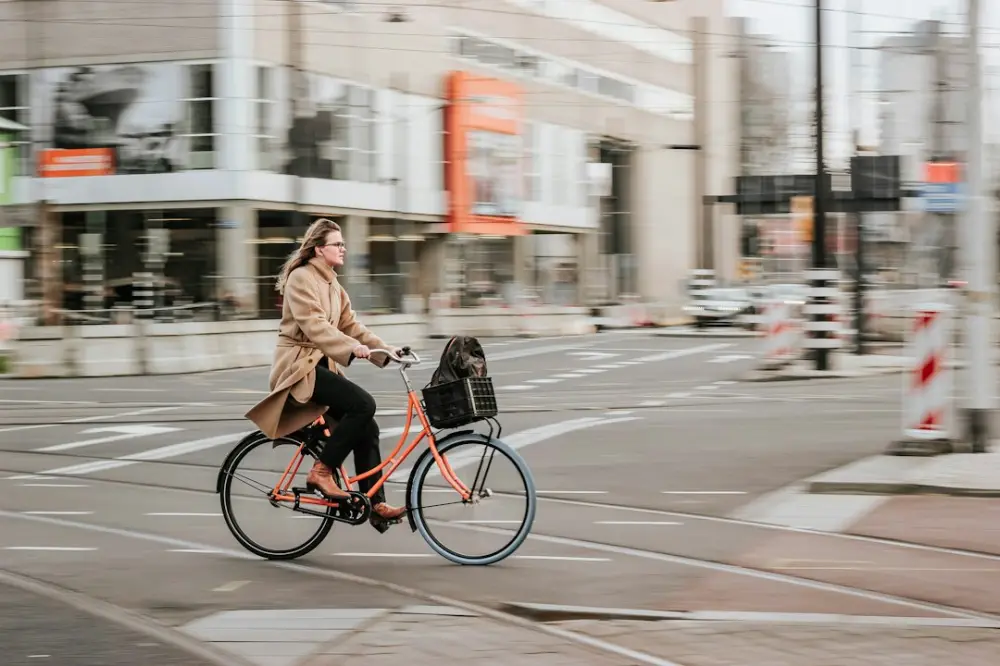
Bicycle commuting safety is a comprehensive approach to reducing risk while cycling to work or school. It involves maintaining a mechanically sound bike through checks like the ABC method, utilizing high-visibility gear and helmets, and practicing defensive riding techniques. By combining preparation with road awareness, cyclists can navigate urban environments confidently and securely in 2026.
Safety on two wheels is less about fear and more about the mastery of one's environment. It requires a shift in perspective from being a passive traveler to an active participant in the flow of traffic. When you understand the mechanics of your machine and the patterns of the streets, the ride becomes a predictable, rhythmic part of the day rather than a source of stress.
What is Bicycle Commuting Safety?
At its most practical level, bicycle commuting safety is a three-tiered system consisting of the rider’s behavior, the bicycle’s mechanical state, and the chosen environment. In 2026, urban planners have made strides in creating dedicated lanes, but the responsibility still lies with the cyclist to navigate these spaces with intention. Safety is defined by the ability to anticipate hazards before they manifest, such as a car door opening in a busy shopping district or a patch of black ice in a shaded suburban turn.
Consider the "Dutch Reach" as a prime example of safety culture in action. This simple technique—opening a car door with the hand furthest from the handle—forces drivers to turn their bodies and look for oncoming cyclists. While you cannot control the driver’s actions, safety involves positioning yourself outside the "door zone" and maintaining a steady, predictable line of travel. This proactive stance ensures that even if a mistake is made by another road user, you have the space and time to react.
Why Commute and Selecting Your Bike
The decision to swap a steering wheel for handlebars is often driven by a desire for better health and a smaller environmental footprint. Beyond the physical benefits, the daily commute is actually becoming a vital mental reset for many. It provides a transition period between the demands of the office and the sanctuary of the home, allowing for a level of sensory engagement that a car or train simply cannot offer.
When selecting a bicycle for daily use, prioritize stability and utility over raw speed. A dedicated commuter bike often features a more upright geometry, which improves visibility by allowing the rider to keep their head up and eyes on the road. Features like integrated fenders prevent road spray from ruining professional attire, while a sturdy rear rack allows you to carry panniers. Carrying weight on the bike rather than on your back lowers your center of gravity and reduces fatigue, making the ride inherently more stable. For instance, a steel-framed touring bike or a modern mid-drive e-bike provides the durability needed for the varied pavement conditions found in most cities today.
The ABC Quick Check and Essential Gear
Mechanical reliability is a cornerstone of safety. A chain that drops or a brake that fails in traffic is more than an inconvenience; it is a hazard. This is why the quiet work of bike maintenance is a fundamental skill for any serious commuter. Before every ride, perform the ABC Quick Check to ensure the machine is ready for the road:
- Air: Check your tire pressure. Properly inflated tires provide better grip and help prevent pinch flats.
- Brakes: Squeeze your levers to ensure they engage before hitting the handlebars. Inspect the pads for wear or debris.
- Chain and Crank: Ensure the chain is lubricated and moving smoothly. Give your pedals and cranks a quick tug to check for any looseness or clicking.
Beyond the bike, your gear acts as your secondary line of defense. A well-fitted helmet is non-negotiable, but visibility gear is equally important. In 2026, many cyclists utilize high-output LED lights that are visible even in broad daylight. A front light with at least 400 lumens and a rear red light with a varying pulse pattern help you stand out against the visual clutter of city signs and headlights. Reflective detailing on moving parts, such as pedals or ankles, is particularly effective because human drivers are biologically wired to notice "biomotion"—the specific movement of human limbs.
Road Awareness and Overcoming Barriers
Navigating the road safely requires a blend of assertiveness and caution. One of the most important techniques is "taking the lane" when the road is too narrow for a car to pass safely. By riding in the center of the lane, you make yourself visible and prevent dangerous close-passes. Once the road widens or it is safe to do so, you can move back to the right to allow traffic to flow. Communication is also vital; using clear hand signals and making eye contact with drivers at intersections can prevent the majority of common right-of-way conflicts.
Many potential commuters are deterred by perceived barriers like inclement weather or a lack of workplace facilities. These are manageable with the right strategy. For rain, high-quality GORE-TEX or similar breathable shells keep you dry without causing overheating. If your workplace lacks a shower, a simple change of clothes and a pack of body wipes can bridge the gap. Choosing a route that prioritizes low-traffic residential streets over main arterials—even if it adds a few minutes to the trip—significantly lowers stress and increases safety. You can find route-planning resources through organizations like Cycling UK or local municipal bike maps.
First Steps Toward a Safer Daily Commute
- Start by mapping your route using local municipal bike maps or digital tools to identify low-traffic residential streets and protected bike lanes.
- The first step for your mechanical safety is to perform a full ABC Quick Check to ensure your tires are properly inflated and your brakes are responsive.
- To begin your visibility preparation, equip your bicycle with high-output front and rear LED lights and verify that your helmet is correctly fitted.
- Next, conduct a trial run of your chosen route on a weekend to familiarize yourself with intersection layouts and potential hazards without the pressure of a workday.
- Finally, practice clear hand signals and assertive lane positioning in a quiet neighborhood to build the muscle memory needed for busy urban environments.
Enhancing Your Daily Ride with das-fahrrad.org
Bicycle commuting is more than a logistical choice; it is an expression of a specific mindset. At Das Fahrrad, we view the bicycle as a cultural icon and a masterclass in human-centered design. When you approach your commute with an emphasis on safety and preparation, you aren't just getting to work—you are participating in a sustainable, intentional way of living that honors both the machine and the journey.
By focusing on the practicalities of bicycle commuting safety, we move closer to a world where the streets are shared equitably. Whether you are adjusting your brakes on a Sunday afternoon or navigating a new bike boulevard on a Monday morning, you are part of a growing movement that values the bicycle as a tool for a better life. Explore our guides on design and maintenance to further refine your riding experience and embrace the quiet revolution of the daily pedal.